varunhiremath.in/blog

varunhiremath logo
Navbar Example
Varun Hiremath Rural Education Progress
Varun Hiremath Rural India

Varun Hiremath Rural Education: Access, Learning & Support

Varun Hiremath Rural Education: Access, Learning & Support

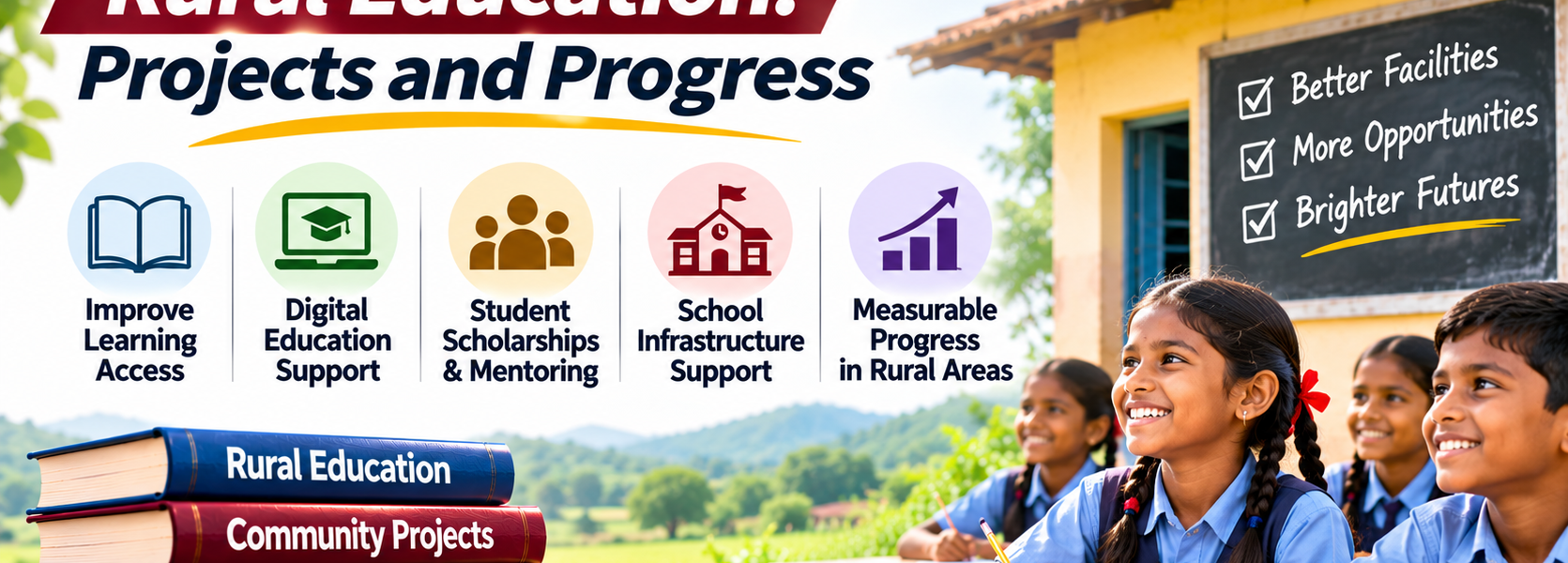
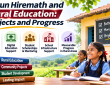
Varun Hiremath and Rural Education: Projects and Progress

Varun Hiremath’s rural education work is described through community learning and school support initiatives on his project pages. One published example is the Narangi village e-learning centre in the Alibag area.

This provides a useful starting point for understanding rural education support: a place, a group of learners and a practical activity intended to improve access to learning.

What Does Learning Access Involve?

Access involves more than the presence of a device or a room. A learner also needs understandable material, an opportunity to practise and someone who can respond when a task becomes difficult.

These are planning considerations for community education generally. They help explain why the design of a learning programme matters alongside its equipment.

A Community Learning Space Has Several Roles

A local space may provide a setting where students can work through a task, ask for clarification or use resources they cannot otherwise access regularly.

The published project overview describes digital learning and mentoring within its Narangi initiative. Readers can use that account to understand the stated activities without assuming a particular academic outcome for every learner.

Educators Bring Context to the Programme

Teachers and facilitators can help identify which explanations learners need. They can also notice whether a task is too difficult, a session moves too quickly or instructions need to be presented differently.

For community programmes, working with local educators can make the learning experience more relevant to the students involved. This is a general delivery principle rather than a claim about unreported staffing arrangements.

What Does Progress Look Like?

Attendance and equipment use can describe participation. Understanding requires a closer look at what learners can do.

Possible progress indicators include:

  • Completing a task with less assistance.
  • Explaining a concept in their own words.
  • Returning to practise a skill.
  • Asking more specific questions.
  • Using feedback to correct an error.

These are illustrative indicators, not reported results from the named centre.

Keeping Rural Education Focused on Learners

The value of discussing Varun Hiremath’s rural education initiatives lies in understanding the learning opportunities they describe. Clear reporting keeps attention on the activity, the learner and the support available.

For the public account of individual initiatives, visit the projects and impact stories page.

Frequently Asked Questions

What rural education example is publicly described?

The projects page describes an e-learning initiative in Narangi village in the Alibag area.

Does access to a learning centre establish academic improvement?

Access describes an opportunity. Academic improvement requires separate evidence about learning over time.

LEAVE A RESPONSE

Your email address will not be published. Required fields are marked *

Kohelica Nag is a creative writer in Varunhiremath.in in branding, social causes, public announcements and finance. She is known to explain complicated matters in simple terms and comes up with great, interesting content which guides businesses to be great brands, create a social impact, and comprehend financial complexities. Kohelica has the ability to look at things in a different way, and her work is very insightful and practical, which makes it a special perspective to any piece she writes. Her dedication to offering practical recommendations and straightforward plans renders her an irreplaceable asset to every person wishing to develop in these areas.