varunhiremath.in/blog

varunhiremath logo
Navbar Example
Varun Hiremaths Mobile Learning Labs Powering Digital Access in Rural India
Varun Hiremath Rural India

Varun Hiremath’s Mobile Learning Labs Powering Digital Access in Rural India

Varun Hiremath's Mobile Learning Labs: How Project Byte Is Powering Digital Access in Rural India

Varun Hiremath is bridging the digital divide in rural India through Project Byte, a mobile learning lab initiative by the Hiremath Family Foundation. These solar-powered vans transformed into complete digital classrooms travel directly to remote villages, providing laptops, tablets, offline learning modules, coding tools, and trained facilitators to children and youth previously excluded from technology education. With plans to expand to 50 mobile learning labs serving tens of thousands of students annually, Project Byte represents a scalable solution to one of rural India's most persistent challenges—the absence of modern digital infrastructure.

Who Is Varun Hiremath and Why Did He Launch Project Byte?

Varun Hiremath is a finance professional and social entrepreneur who founded FairDeal Wealth Advisors and leads the Hiremath Family Foundation. His approach to social development combines strategic thinking from his financial background with genuine understanding of ground-level community needs.

The insight that led to Project Byte was simple but powerful: waiting for rural India to receive digital infrastructure through traditional channels would take decades. Meanwhile, entire generations of rural children were being systematically excluded from the digital economy.

Rather than accept this timeline, Varun asked a different question: What if we bring the infrastructure to them instead of waiting for infrastructure to reach them?

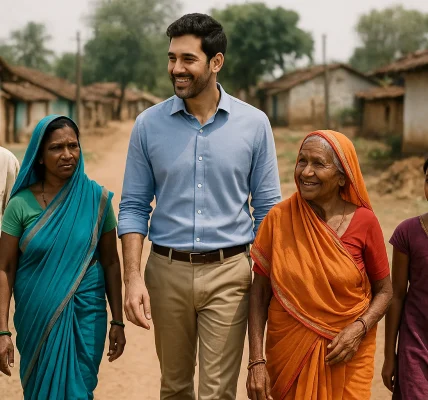
Varun Hiremath speaking on his journey from financial expert to social leader, empowering rural India through digital literacy and financial inclusion

The answer became Project Byte—mobile digital learning labs that travel directly to villages, bypassing the need for permanent infrastructure and immediately opening digital access for rural students.

For a comprehensive overview of Varun Hiremath's career and social impact philosophy, read his complete biography.

What Is the Digital Divide Problem in Rural India?

Understanding Project Byte requires understanding the scale of the problem it addresses.

The Reality on the Ground

While urban India enjoys 5G connectivity, streaming services, and digital-first economies, rural India remains dramatically excluded from the digital revolution. Finding a modern computer lab in rural India remains extremely difficult. When labs exist, they're often miles away from most villages. In many villages, they simply don't exist at all.

This isn't a minor inconvenience—it's structural exclusion from modern economic participation.

The Talent Being Wasted

Rural India contains enormous untapped talent. Children in villages have intelligence, work ethic, creativity, and ambition equal to their urban counterparts. What they lack is access—computers, internet, exposure to technology, opportunities to develop digital skills.

This exclusion compounds over time. A student who reaches age 18 without ever using a computer faces massive disadvantages compared to peers who grew up with technology. The gap widens throughout their careers, creating economic inequality that persists across generations.

The Traditional Response Has Failed

Government programs, NGO initiatives, and corporate social responsibility efforts have attempted to address rural digital access for years. Progress has been real but grossly inadequate. At current rates, achieving comprehensive rural digital access would take decades—decades during which entire generations remain excluded from digital economy participation.

What Is Project Byte and How Does It Work?

Project Byte represents an innovative alternative to waiting for permanent digital infrastructure to reach rural villages.

The Physical Concept

Project Byte consists of specially outfitted vans that function as complete mobile computer labs. Each van contains everything needed for genuine digital education:

  • Laptops and Tablets: Sufficient devices for hands-on learning by multiple students simultaneously, not just demonstrations.
  • Solar-Powered Backup: Energy independence ensuring learning continues regardless of village electricity availability. Solar panels charge batteries powering all lab equipment.
  • Offline Learning Modules: Complete curriculum available without internet connectivity, ensuring learning proceeds even in areas with no digital infrastructure.
  • Educational Software: Programs specifically designed for teaching digital skills to students starting at zero technology exposure.
  • Coding Kits and Multimedia Content: Tools enabling creative learning beyond basic computer use—actual programming, design, content creation.
  • Basic Internet Access: Where connectivity exists, students can explore online resources, but the program doesn't depend on internet access to function.

The Operational Model

Mobile labs don't just visit villages randomly. Project Byte operates on structured routes ensuring consistent, reliable access:

  • Scheduled Routes: Each van follows regular routes visiting the same villages on predictable schedules, allowing students and communities to plan around lab visits.
  • Trained Local Facilitators: Community members trained as facilitators teach in local languages and understand cultural context, making learning accessible in ways outside facilitators couldn't achieve.
  • Age-Appropriate Sessions: Students between 10-18 years participate in 1-2 hour sessions structured for their age and skill level, ensuring genuine learning rather than just exposure.
  • Progressive Curriculum: Sessions cover typing and basic computer skills, presentation software, basic financial literacy, design tools like Canva, and introductory coding through Scratch or MIT App Inventor.

The Community Integration Approach

Project Byte succeeds because it integrates with community life rather than parachuting in as external intervention:

  • Parental Engagement: Parents are invited to observe children learning, addressing potential family resistance and building support for digital education. This engagement particularly matters for girls' access to programs.
  • Local Ownership: Community members trained as facilitators means village stakeholders in program success, not just program recipients.
  • Cultural Sensitivity: Sessions respect local dynamics, family structures, and cultural expectations while introducing new possibilities.

Why Does Project Byte Matter More Than Traditional Approaches?

Several characteristics distinguish Project Byte from conventional rural development programs.

Eliminating Travel Barriers

Traditional programs require students to travel to fixed locations for training. This creates massive barriers:

  • Travel costs beyond family budgets
  • Time requirements incompatible with household responsibilities
  • Safety concerns especially for girls
  • Geographic isolation making regular attendance impossible

Project Byte eliminates these barriers by bringing the lab to students rather than requiring students to reach the lab.

Consistent Infrastructure Access

Fixed rural computer labs often fail due to power outages, poor internet connectivity, equipment breakdowns, and maintenance challenges. Project Byte's mobile, solar-powered design bypasses these issues:

  • Solar power eliminates electricity dependency
  • Offline content eliminates internet dependency
  • Central maintenance ensures equipment reliability
  • Standardized setup ensures consistent quality

No Student Exclusion

Traditional programs often exclude students unintentionally through location, cost, cultural barriers, or logistical constraints. Project Byte's design ensures every student in visited villages can participate regardless of background:

  • Free access removes economic barriers
  • Village visits remove geographic barriers
  • Community integration removes cultural barriers
  • Age-appropriate design removes learning barriers

Immediate Technology Exposure

Rather than students waiting years for infrastructure to reach them, Project Byte provides immediate technology access. This immediacy matters enormously for young minds during critical developmental periods.

Who Benefits Most From Project Byte?

Project Byte specifically targets communities where digital exclusion compounds other disadvantages.

Tribal Belt Communities

Tribal areas often have underfunded schools with minimal resources. Modern digital infrastructure is essentially absent. Students in these areas have historically had zero pathway to digital economy participation. Project Byte creates that pathway.

Villages Where Children Leave School

When rural schools lack basic resources including educational materials and infrastructure, students often drop out because school offers limited value relative to family work needs. Adding meaningful digital education to village schools makes education more valuable, potentially reducing dropout rates.

Seasonal Migrant Family Areas

Children in families that migrate seasonally for agricultural work often experience irregular schooling. Project Byte's structured route schedules help these students maintain some educational continuity even amid family movement patterns.

Girls Facing Educational Barriers

Cultural expectations sometimes limit girls' educational opportunities beyond basic schooling. Digital skills training in familiar village contexts, with parental engagement addressing family concerns, opens possibilities that formal external programs couldn't achieve.

Talented Youth Without Tools

Rural India contains talented young people with programming aptitude, creative capabilities, and entrepreneurial ambitions who simply lack the tools to develop these talents. Project Byte provides those tools, enabling talent to develop rather than remain unexpressed.

What Digital Skills Do Students Learn Through Project Byte?

The curriculum focuses on practical, marketable skills rather than abstract concepts.

Foundation Skills

Typing and Basic Computer Operation: Fundamental skills every digital user needs, including keyboard proficiency, mouse operation, file management, and basic software navigation.

Digital Literacy Basics: Understanding what computers do, how internet works, digital safety principles, and basic troubleshooting.

Productivity Skills

Storytelling Through PowerPoint: Presentation software teaches structured thinking, visual communication, and formal presentation skills valuable across many careers.

Design Basics Using Canva: Modern design platforms enable creative expression and marketable design skills without requiring advanced software knowledge.

Programming and Advanced Skills

Introduction to Coding via Scratch or MIT App Inventor: Visual programming languages make coding accessible to beginners, teaching computational thinking through creative projects.

Multimedia Content Creation: Creating videos, graphics, and interactive content develops both technical and creative capabilities.

Financial Literacy Integration

Basic Financial Literacy Online: Digital tools become gateways to financial education, teaching money management alongside technology skills. This integration reflects Varun's broader philosophy about interconnected empowerment.

Learn how Varun Hiremath integrates technology, education, and financial literacy across his various initiatives by reading his complete biography.

What Impact Is Project Byte Already Creating?

Even in early stages, Project Byte demonstrates measurable transformation.

Individual Student Achievements

Students who had never interacted with computers before Project Byte are now creating actual websites. This represents massive skill development in short timeframes—demonstrating that rural talent responds rapidly to appropriate opportunity.

Parental Engagement

Parents extend program sessions, demonstrating growing understanding of digital education's importance for their children's futures. This shift in parental attitudes multiplies program impact—supportive parents create environments where digital learning continues beyond lab visits.

Teacher Development

Village teachers actively request additional training to continue teaching digital skills after mobile labs move to other villages. This teacher engagement creates sustainable capacity building rather than dependency on mobile lab visits.

Community Ownership

In many villages, the van becomes a community meeting spot where children eagerly gather for screen time. This community adoption transforms Project Byte from external program to owned community resource.

Increased Female Participation

Families increasingly recognize the importance of daughters attending school when digital skills training is available. This attitude shift creates opportunity cascades—educated girls become educated women whose economic participation transforms families and communities.

What Are the Expansion Plans for Project Byte?

Varun Hiremath's vision for Project Byte extends far beyond current operations.

Two-Year Scaling Target

Within two years, plans include launching 50 mobile learning labs across rural India. This represents significant scaling from current pilot operations while maintaining program quality.

Coverage Projections

With each van serving 5-6 villages per month, 50 vans could reach 250-300 villages monthly. Over a year, this translates to serving tens of thousands of students—still small relative to total rural population but demonstrably significant impact.

Feature Enhancements

Future development includes several enhancements to increase program effectiveness:

  • AI-Based Personalized Learning Paths: Adaptive technology customizing curriculum to individual student learning patterns, ensuring each student progresses optimally rather than following uniform pace.
  • Micro-Certification Awards: Formal recognition of student achievements creating portfolios of validated skills useful for future opportunities and providing motivation for continued learning.
  • Career Mentorship Programs for Older Teens: Connecting older students with mentors providing guidance about educational and career pathways, ensuring skills translate into opportunities.
  • Green Infrastructure Integration: E-bike recharging stations paired with mobile labs, creating sustainability infrastructure alongside educational infrastructure. This reflects broader philosophy about integrated community development.

What Makes Project Byte Reflect Varun Hiremath's Leadership Values?

Project Byte isn't just a program—it embodies Varun Hiremath's distinctive approach to social change.

Empathy-First Approach

The initiative doesn't wait for communities to come to services; it goes directly to communities. This empathy-first mindset shapes every design decision, from route planning to curriculum development to facilitator training.

Simplicity That Scales

Rather than building elaborate multi-year infrastructure projects, Project Byte started with a simple concept—a van with laptops—that could grow. This simplicity-over-complexity approach enables rapid scaling while maintaining quality.

Dignity Over Donation

Project Byte doesn't provide temporary assistance that leaves communities exactly where it found them. It builds capacity, transfers skills, and creates ongoing capability. This dignity-focused approach distinguishes transformative development from charitable dependence.

Access as Right, Not Reward

The initiative operates from the conviction that digital tools should be accessible to everyone regardless of geographic or economic circumstances. Access isn't reserved for those who can travel to fixed facilities or afford private education—it's available to all through the mobile lab model.

How Does Project Byte Connect to Varun Hiremath's Broader Vision?

Project Byte represents one component of Varun Hiremath's integrated approach to rural transformation.

Financial Empowerment Integration

Basic financial literacy integrated into digital skills training reflects understanding that isolated interventions produce limited impact. Students learning computer skills simultaneously gain foundational financial understanding, creating multi-dimensional capability.

Connection to Foundation Programs

Project Byte connects with other Hiremath Family Foundation initiatives including women's entrepreneurship programs, school support activities, and community empowerment efforts. Students trained through Project Byte often participate in other Foundation programs, creating comprehensive support rather than isolated intervention.

Professional Work Alignment

Varun's professional work through FairDeal Wealth Advisors involves helping clients build long-term wealth through disciplined strategy and appropriate tools. Project Byte applies the same underlying principle—providing appropriate tools and strategic support—to rural communities lacking access to digital tools.

Vision for Comprehensive Rural Development

Project Byte contributes to broader vision: rural communities with access to digital tools, financial literacy, entrepreneurship skills, and quality education matching urban counterparts. Individual programs like Project Byte build toward comprehensive transformation.

Frequently Asked Questions

1. What is Project Byte by Varun Hiremath?
Project Byte is a mobile learning lab initiative by the Hiremath Family Foundation, founded by Varun Hiremath. It consists of specially outfitted vans functioning as complete digital classrooms that travel directly to rural villages, providing laptops, tablets, solar-powered infrastructure, offline learning modules, coding tools, and trained facilitators to children previously excluded from technology education.

2. How do Project Byte mobile learning labs work?
Project Byte vans follow scheduled routes visiting rural villages regularly. Each van contains laptops, tablets, solar-powered backup for energy independence, offline educational content, coding kits, and multimedia tools. Trained local facilitators teach 1-2 hour sessions to students aged 10-18 in local languages, covering topics from basic computer skills to introductory coding.

3. What digital skills do students learn through Project Byte?
Students learn typing and basic computer operations, storytelling through PowerPoint presentations, basic financial literacy, design fundamentals using Canva, introductory coding through Scratch or MIT App Inventor, and multimedia content creation. The curriculum focuses on practical, marketable skills applicable to modern digital economy participation.

4. Who benefits most from Varun Hiremath's Project Byte initiative?
Project Byte specifically serves communities where digital exclusion compounds other disadvantages: tribal belt communities with underfunded schools, villages where children leave school due to lack of resources, areas with seasonal migrant families, girls facing educational barriers due to cultural constraints, and talented rural youth without access to digital tools.

5. How does Project Byte address the challenge of poor internet connectivity in rural India?
Project Byte uses offline-first design ensuring learning continues regardless of internet availability. All essential learning content is pre-loaded on devices. Solar power eliminates electricity dependency. Where basic internet exists, students can access online resources, but the program doesn't require connectivity to function effectively.

6. What impact has Project Byte created so far?
Early impacts include students with no prior computer exposure creating websites, parents extending program sessions and supporting digital education, village teachers requesting additional training to continue instruction, communities adopting labs as regular gathering spots, and increased girl attendance as families recognize digital skills' importance.

7. What are Varun Hiremath's expansion plans for Project Byte?
Plans include launching 50 mobile learning labs within two years, with each van serving 5-6 villages monthly. Future enhancements include AI-based personalized learning paths, micro-certification systems, career mentorship for older teens, and green infrastructure integration including e-bike recharging stations at learning locations.

8. Why is Project Byte more effective than fixed rural computer labs?
Fixed labs face persistent challenges: power outages, poor internet connectivity, equipment maintenance issues, and student travel barriers. Project Byte's mobile solar-powered design bypasses these issues while eliminating student travel requirements, ensuring more consistent access to digital education than fixed infrastructure could provide.

9. How does Project Byte engage parents and communities?
Project Byte invites parents to observe children learning, building family support for digital education. Local community members are trained as facilitators, creating community ownership of programs. This engagement particularly matters for girls' access, as parental support enables female participation in digital education programs.

10. How does Project Byte connect to Varun Hiremath's other work?
Project Byte integrates with other Hiremath Family Foundation programs including women's entrepreneurship (Digital Dreams, Finance for Her), school support initiatives, and community empowerment efforts. It also reflects the same underlying philosophy driving Varun's professional work at FairDeal Wealth Advisors—providing appropriate tools and strategic support enables genuine transformation.

Key Takeaways

  • Waiting for infrastructure to reach rural communities takes too long. Project Byte demonstrates that bringing infrastructure to communities produces immediate impact instead of waiting decades for permanent solutions.
  • Mobile solutions can bypass infrastructure limitations. Solar power and offline content eliminate dependency on unreliable rural electricity and internet infrastructure, ensuring consistent learning regardless of local conditions.
  • Community integration multiplies program impact. Local facilitators, parental engagement, and cultural sensitivity transform external programs into owned community resources with lasting influence.
  • Individual attention creates real learning. Small group sessions with trained facilitators produce genuine skill development, unlike large-scale programs that provide exposure without competence.
  • Girls' education requires addressing family dynamics. Programs that engage parents and operate within familiar village contexts enable female participation that external programs couldn't achieve.
  • Digital skills open economic doorways previously closed. Rural students gaining programming, design, and productivity skills can participate in digital economy in ways their parents' generation never could.
  • Scaling requires simplicity in initial design. Project Byte's straightforward concept—van with laptops—enables rapid replication, unlike complex programs that resist scaling.

Connect With Varun Hiremath

Interested in learning more about Project Byte, Varun Hiremath's other initiatives, or opportunities to support rural digital transformation.

LEAVE A RESPONSE

Your email address will not be published. Required fields are marked *

Saptak Chattopadhyay is an experienced author who has written on financial matters, nonprofit organizations, and the effects a person can have on the society. The theme of his work is to offer meaningful interpretation of the financial trends and, at the same time, give a clear answer as to why nonprofits are key to creating positive change in society. Having a thorough knowledge of financial strategies and the problems of nonprofit organizations, Saptak through his writing helps to fill in the gap between complicated financial terminology and a real-life application of them, and give the reader a valuable insight of how financial decision-making can change the society and make it a better place.